







Tired of Beer? Become a Soda Connoisseur
“Soda is a good combination of chemistry and art.” ~ Chris Webb
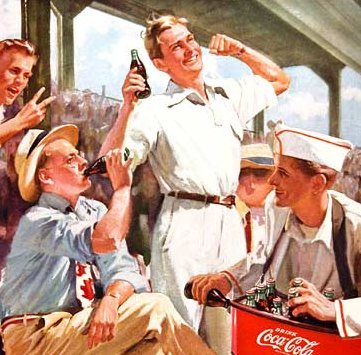
When your grandpa took a young lady on a date, chances are they ended up at their local soda fountain. There, they flirted and sipped on delicious and refreshing fizzy beverages. When he went off to fight in the Big One, chances are the ship that took him over there had a soda fountain on board where your grandpa would grab a nice cold soda after baking in the hot sun on deck.
While beer is considered the quintessential man drink, soda also has a history of being the beverage of choice for men.
As you will see, in the early days, many soda fountains were all-male hangouts where guys would fraternize. And later on, fountains became the go to place for a guy to take a date. Nowadays becoming a soda connoisseur can be a fun hobby you can share with your family. And what’s manlier than spending time with your family?
The Manly History of Soda
The Rise of the Soda Fountain
For centuries people were intrigued by and believed in the healing powers of naturally effervescent waters. In the 18th century, scientists began to experiment with ways of artificially “impregnating” regular water with CO2. Selling this bubbly water as a cure for a variety of ills, “soda” fountains began appearing in pharmacies and apothecaries. Pharmacists mixed various “medicines” with soda water and flavoring to help them go down easier. While many Europeans had tinkered with the idea of soda water, the concept would truly take off in America.
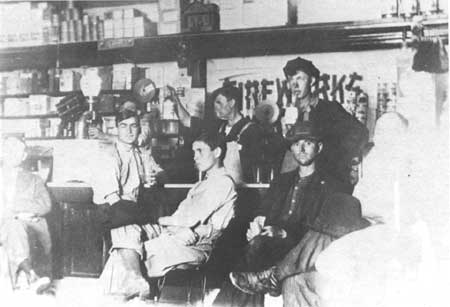
From pharmacy novelties, soda fountains soon became a central part of American culture and transformed into community gathering places where people would meet and socialize over a delicious effervescent beverage. The soda shops were often classy places, anchored by a grandiose fountain made of marble, gilded with metal piping and spigots, and ornamented with figurines, gas lights, and mirrors.
Advertisement
The soda shops often drew single sex crowds, with ones located in the shopping district drawing all females, and those situated in the business district all males. At these all-male hang outs guys would sip a bubbly beverage and chew the fat. For example, Hudnut’s, a popular soda fountain in New York City attracted a luminous crowd. Located on “Newspaper Row,” the fountain was a male-hang out frequented by journalists and editors who needed a pick me up to meet a deadline or some refreshment after the paper had gone to press. Movers and shakers like Grover Cleveland, Ulysses S. Grant, Elihu Root, John Jacob Astor, and members of famous families like the Vanderbilts, Goulds, and Van Rensselaers were frequent customers as well.
“The bottle is an art form. It’s tactile; it feels like somebody cared more about the product. It’s the physics of it: the soda stays colder longer so you get a crisper drink — and the whole ritual of popping the cap.” ~Chris Webb
People loved soda fountains but also wished to consume their new favorite beverage while on the go or lounging at home. With technological advances in bottling, by the turn of the century hundreds of independent bottlers were selling their effervescent fare in a portable form. Soda was well on its way to becoming America’s favorite drink.
Fun with Flavors
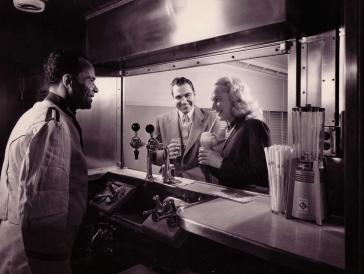
While soda water originally started out unadulterated, people soon went crazy for the taste of that water mixed with flavored syrups. People loved to experiment with new and flavor combinations, and soda fountains began to offer a 100 or more. The menu at a large soda fountain might include:
almond, anise, apple, apricot, banana, birch beer, blackberry, blood orange, Catawba, celery, champagne cider, cherry, chocolate, cinnamon, cognac, Concord grape, coriander, crabapple, cranberry, cream soda, crushed violets, currant, egg chocolate, egg cream, egg phosphate, ginger, ginger ale, gooseberry, grape, green apple, grenadine, hoarhound, java, lemon, lime, maple, mead, mint julep, mocha, mulberry, nutmeg, orange, orris root, peach, peach along, peach cider, pear, pear cider, peppermint, pineapple, pistachio, plum, quince, raspberry, root beer, rose, sarsaparilla, strawberry, Valencia orange, vanilla, walnut cream, wild cherry, and wintergreen.
Men particularly enjoyed the heartier raw egg drinks- concoctions which usually consisted of egg, soda water, phosphate, and flavored syrup. Comparing this list to what is currently found on our grocery shelves gives a clear indication on how far soda as devolved.
Advertisement
The flavor of many brand name sodas that we are familiar with today like Dr. Pepper and Coca-Cola were created by chemists and pharmacists who were looking for the next big flavor hit. These and other sodas continued to claim health benefits especially as a tonic to restore vitality (the coca in coca-cola surely proved effective). Flavors like birch beer and root beer grew out of the penchant of America’s earliest colonists for making brews out of all sorts of roots in order to avoid drinking the sometimes unsafe water.
Soda and the Temperance Movement
The popularity of soda fountains was given a tremendous boost by the temperance movement. This movement, active in the decades before the Civil War, picked up steam as America headed into the 20th century. Temperance advocates advocated moderation or abstinence in drinking alcoholic beverages. But they knew that quitting drinking involved a large lifestyle change, especially since much of men’s social lives revolved around the saloon during this time. Therefore, the soda fountain began to be pushed as a wholesome alternative to saddling up to the bar. Getting men to socialize at the fountain instead of the bar proved successful. According to “Sundae Best:”
In the early 1890s the number of soda fountains surpassed the number of bars in New York City and more men were frequenting fountains in the business district. In the early 1900s, drug stores or confectionaries with soda fountains replaced saloons on many of Chicago’s busiest street corners. In 1908, the Windy City boasted more than 3,500 fountains. By 1906, whiskey sales were declining even in New Orleans, a city noted for its bars, and men in unprecedented numbers were patronizing the Crescent City’s fountains.
With such astounding growth, the soda fountain soon became every community’s social hub. Kids and adults, women and men, everyone enjoyed stopping in for a refreshing drink and some conversation. Men took their dates to the fountain, and though it has become a cliché, truly did order one glass with two straws. For many people, the soda fountain replaced the bar as their social center.
Advertisement
This trend only accelerated when Prohibition became the law of the land in 1920. Sales of sodas skyrocketed as former booze drinkers looked to alternatives to quench their thirst. Soda fountains adapted to appeal to men who once frequented saloons. The sodas got manlier names, the décor became more masculine, and seats were reserved just for men during the lunch hour. Many fountains added a lunch counter to their offerings and served hearty meals to men who once dined on the free lunches offered by saloons.
The End of a Soda Era
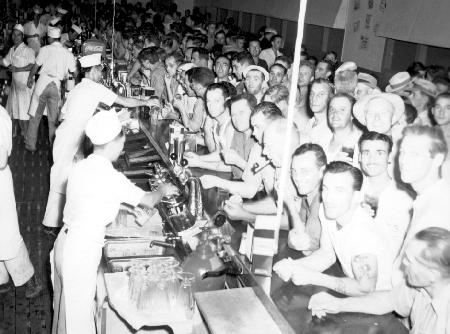
Even after Prohibition ended, soda fountains continued to enjoy a central place in American culture. During World War II, soda, along with tobacco and toiletries, was considered an item essential to soldiers’ morale. Thus soda fountains frequently accompanied Army post exchanges, service clubs, USO clubs, Red Cross posts, and naval training stations. As was the case in WWI, soda fountains were even installed on navy ships. While there are certainly exceptions to the rule, American troops in general were praised during the war for their humane and honorable behavior. Some believed this was due to American GI’s love for the soda fountains and preference for non-alcoholic drinks.
After the war, several factors began to spell the demise of the soda fountain. Americans began their obsession with automobiles, and used them to drive away from the cities and into new homes in the suburbs. People began to favor even quicker lunches than the soda fountain’s lunch counter offered, and took their businesses to newly established drive-in restaurants and road stands. Drugstores moved towards being entirely self-service, and paying a soda jerk to dispense drinks became cost prohibitive.
The popularity of bottled soda was also on the rise. During the 1950’s major brands like Pepsi and Dr Pepper decided to focus their advertising on selling the bottled versions of their drinks. Soft drink vending machines also began to appear, making soda consumption all the easier. Soda fountains began to die a slow death and disappear from American culture.
Advertisement
Soda manufacturers began to replace bottled sodas with cheaper cans. A few large corporations came to dominate the soda market and squeezed the little guys out. Stripped of its traditions and sense of craft, soda became thoroughly homogenized.
But some smaller bottlers have hung on and still offer their delicious beverages to those who diligently seek them out. Those who do so will be rewarded.
Why Become a Soda Connoisseur?
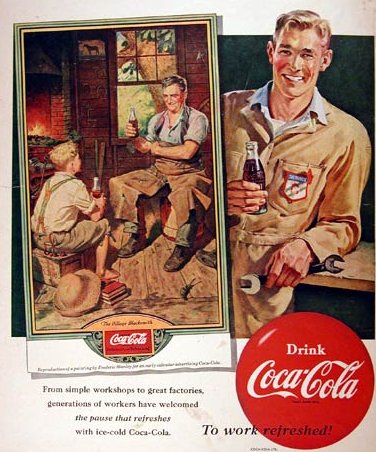
In recent years, it has become fashionable to have a discerning palate when it comes to coffee, tea, chocolate, and beer. While these products had become ubiquitous and mainstream, people became aware of the differences in these categories between quality, independently made products and those watered down for mass consumption by big corporations.
People may be surprised to learn the same is true of soda. While soda has an interesting history, a refreshing taste, and intriguing flavors, it has been reduced to the cheapest and blandest of commodities. Any variations in flavor and form have been pushed off grocery shelves and replaced with a small selection of focus-group tested choices. In the war between Coke and Pepsi, it has been the unique, independently bottled sodas that have been the real causalities.
Demonized by nutritionists as “liquid candy” and cheapened by big corporations, soda has seemingly been stripped of any cache. But there is a world of difference between a watered down Big Gulp from 7-11 and a well-crafted, cane sugar sweetened, wonderfully fizzy, long neck bottle of real soda. It’s time to get back in touch with the soda your grandpa enjoyed.
Here are a few reasons why you might want to become a soda connoisseur:
Soda is a great option for those looking for a refreshing, but non-alcoholic beverage. It can be enjoyed by the young and the old alike.
Advertisement
Enables you to give your non-drinking friends a choice of more sophisticated beverages. At any given time, a wide swath of the population abstains from alcohol. At parties and social functions these people are usually relegated to enjoying water or a boring can of pop. By becoming a soda connoisseur, you can fill up a tub with ice at your next party and offer a wide variety of interesting and tasty beverages to your teetotaling friends.
Soda is conducive to temperate living. As we have learned, temperance is one of the manly virtues according to Ben Franklin. Soda allows you to enjoy a refreshing beverage, without worrying about getting plastered.
Soda enlivens any occasion. Unlike beer, soda can be enjoyed as a pick me up at work and for refreshment and energy while driving.
Smaller, independently owned soda makers simply create more delicious soda. It truly tastes better for several reasons:
- Independent bottlers are owned and operated by people who are passionate about the craft of soda making. Instead of creating their brews with the goal of saving money and appealing to the masses, they take a more creative and grassroots approach. This freedom allows independent bottlers to come up with stronger and more interesting flavors.
- Unlike soda manufactured by big corporations, which uses high fructose corn syrup, independent bottlers sweeten their soda with pure cane sugar. This results in a far more delicious and clean tasting brew.
- Soda that comes in bottles tastes better than soda in cans. As opposed to tinny tasting aluminum, the thick, clean walls of the bottles keep the flavor pure and fresh.
- Once you discover the delicious flavors being produced by independent bottlers, you’ll enjoy tasting them and finding your favorite. After you stop gulping down cheap bland soda, and start sipping the quality kind, you’ll enjoy tuning in to the interesting characteristics of each brew and discover your likes and dislikes. You’ll notice the amount of fizz and foam and pick up on the hints of flavor like vanilla, molasses, cola, and licorice.
Soda is really not that bad for you despite what the nutritionist fear mongers proclaim. Temperance involves the principle of moderation. Soda was intended to be a delicious treat. It was never intended to be gulped from a 64 ounce mug. It was not intended to wash food down your gullet. Nor was it intended as such a cheap beverage that free refills were a possibility. It was meant to be tasted, savored, and enjoyed. When used that way, soda can be enjoyed regularly. If anything should be blamed for the rise in American obesity, it’s high fructose corn syrup. There is a striking relationship between the growing use of HFCS and obesity. Stick to the real stuff and savor every sweet drop.
Advertisement
How to Become a Soda Connoisseur
Hunt down sodas made by smaller, independently owned companies. These are not always easy to find. Many mainstream groceries do carry Jones Sodas and they are a good place to start-especially since they recently made the decision to switch back to sweetening their sodas with pure cane sugar. Smaller, locally-owned groceries and organic food stores also often carry a wider variety of sodas.
There are few stores around the country that just sell sodas. You may be lucky enough to live near one or you can plan to visit while taking a trip:
Real Soda, Fremont and Los Angeles, CA
Pops on Route 66-Arcadia, OK
Pop the Soda Shop-Scottsdale, AZ
GALCO’s Old World Grocery Shop-Los Angeles, CA
If no “gourmet” sodas can be found in your area, you can also order soda online. Pop the Soda Shop will ship your sodas to you. Of course glass bottles are heavy, so be prepared to pay a lot for shipping.
For the original soda experience, try to stop by a soda fountain during your travels. While most fountains went extinct decades ago, some still linger on.
Sources:
Soda Pop
Sundae Best: A History of Soda Fountains
Special thanks to Danny Ginsburg founder of Real Soda in Real Bottles and passionate soda sommelier for sharing his enthusiasm for soda and interesting insights into the world of soda.